L o a d i n g
Responsible AI: UNESCO’s Support for Technology to Improve Children’s Lives

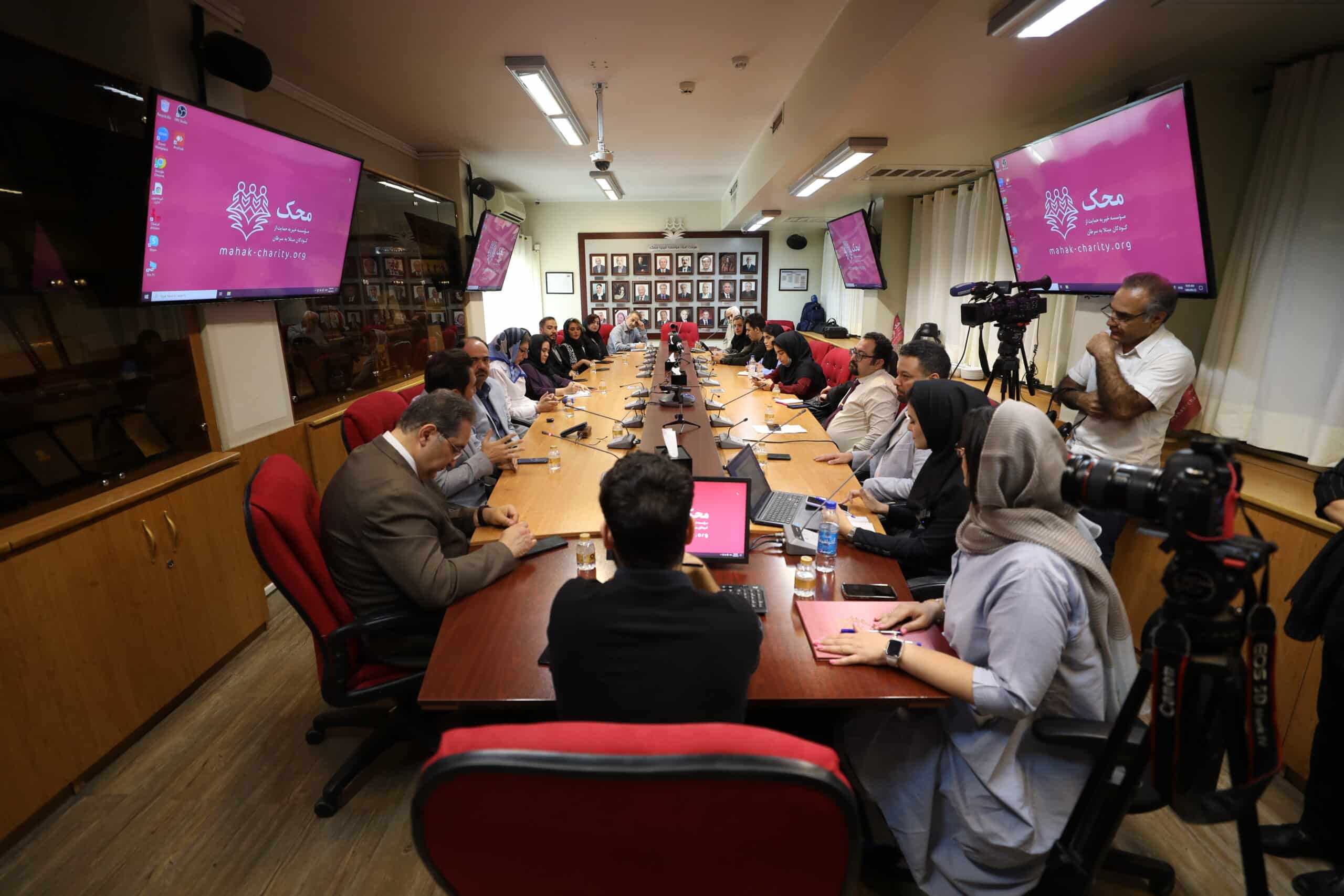
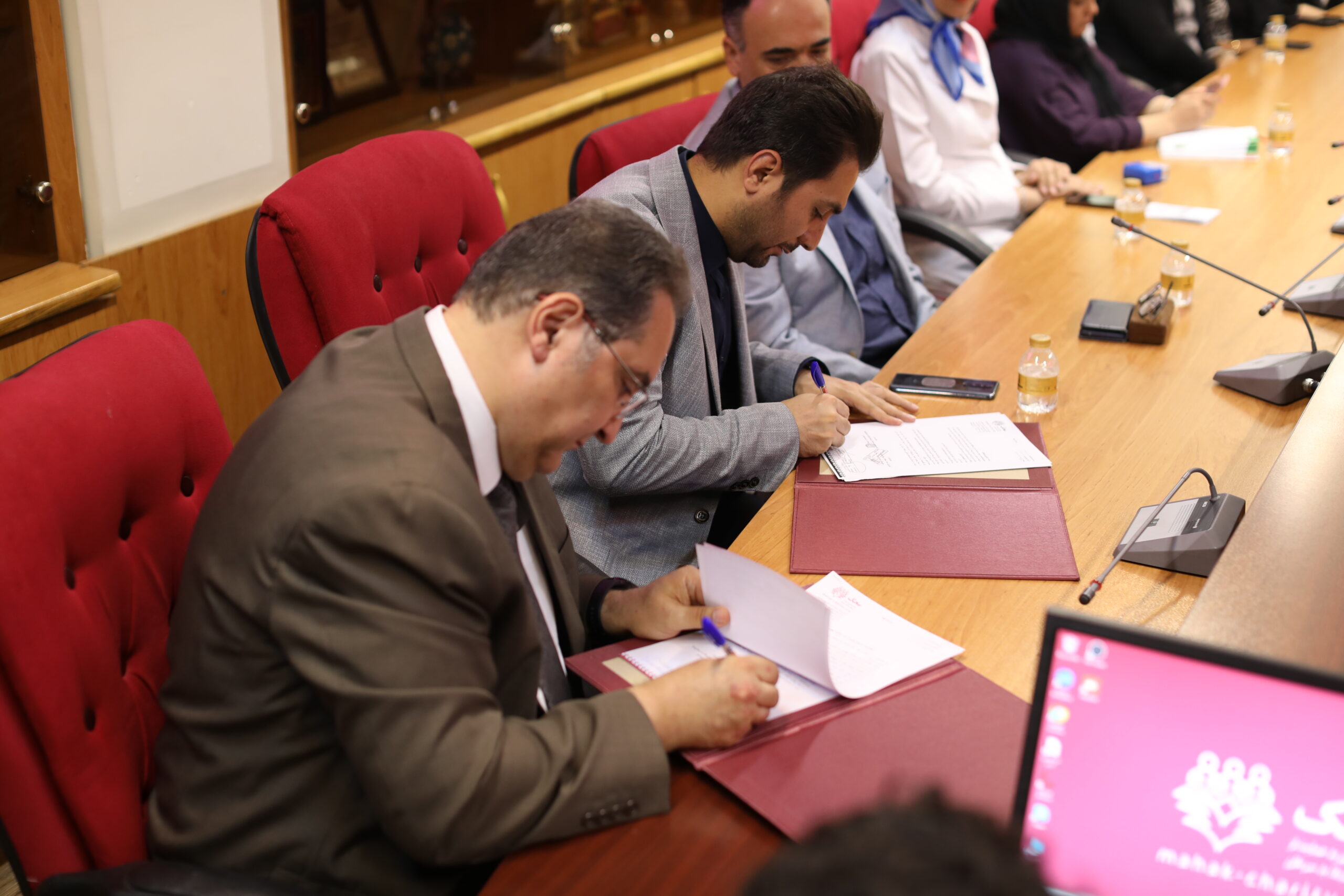
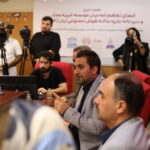
The representative of the National Commission for UNESCO in Iran, Shokrchi, referred to the importance of an ethical framework in the development and use of artificial intelligence at the meeting to conclude the cooperation agreement between the MAHAK Institute and Iran’s Annual AI Award (iAAA). He said: UNESCO’s Recommendation on the Ethics of Artificial Intelligence, adopted in 2021, has five key principles: human rights, justice, inclusiveness, transparency, and accountability. Observing these principles in all AI projects, especially in the field of health and children, is essential.

Shokrchi emphasized: AI can create unparalleled opportunities, but if used without an ethical framework, it may be harmful. UNESCO’s moral support for this event is aimed at promoting equity in access to technology and protecting vulnerable groups, especially children with cancer.

He added: The MAHAK challenge is a practical example of realizing these principles. In this project, a non-governmental organization has raised a real problem, scientific teams have been trained, and the outputs are usable for society. This model of human–technology interaction, especially in the field of health, can serve as a template for other projects.
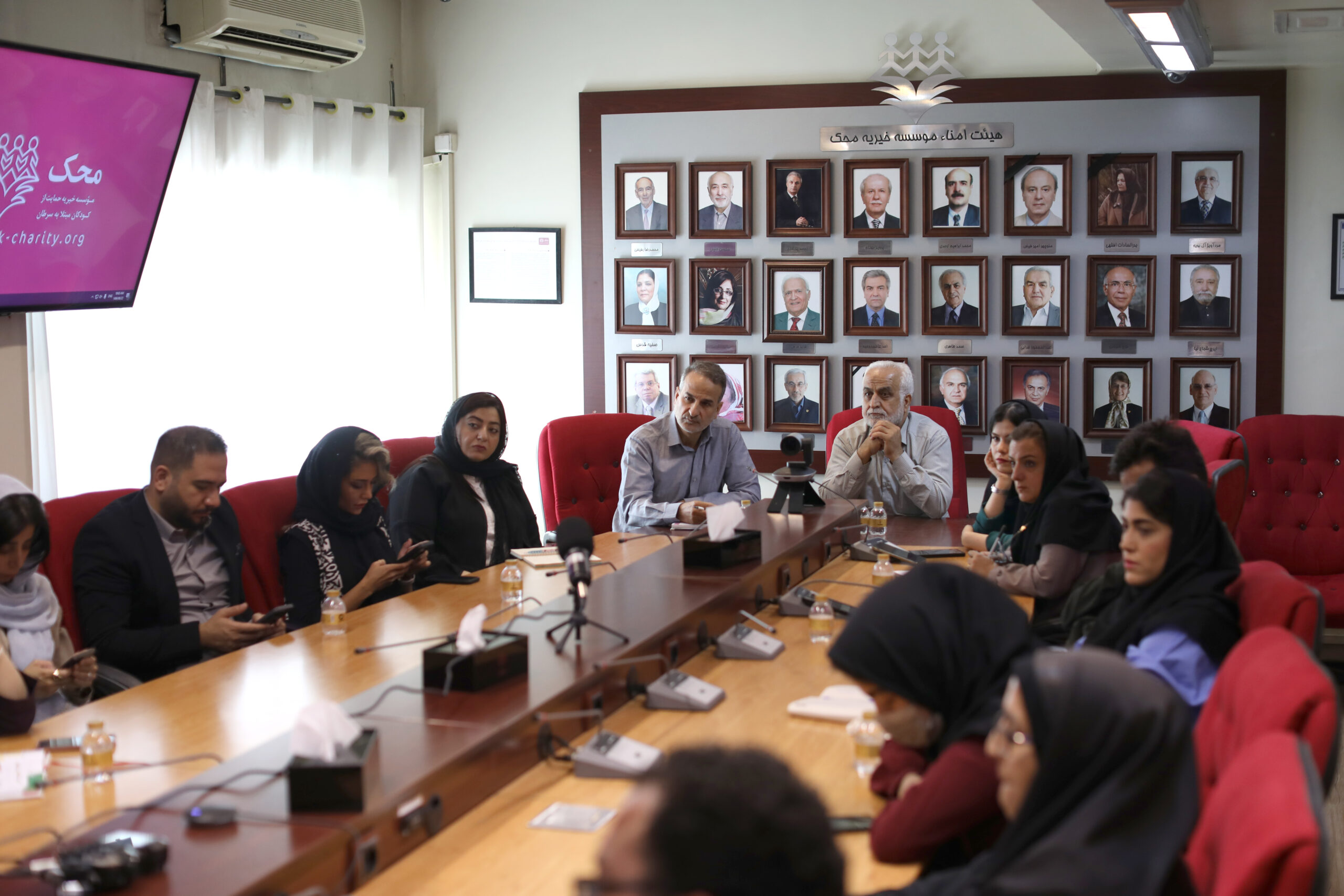
The UNESCO representative also noted the importance of respecting privacy and data security and said: The use of data at all stages of treatment, from diagnosis to prescribing medication, must be transparent and fair. Successful projects are those that, in addition to innovation, prioritize compliance with ethical and international standards.

Given this program’s alignment with UNESCO’s goals, the organization cooperates with the iAAA secretariat in two areas: first, awarding an official training-course certificate from UNESCO to the participants, and second, awarding the UNESCO AI Ethics Prize to the selected teams. These measures ensure that the development of AI in Iran continues to be not only advanced and innovative but also responsible and ethical, especially in supporting children and vulnerable groups.
This UNESCO approach ensures that the development of AI in Iran continues to be not only advanced and innovative but also responsible and ethical, especially in supporting children and vulnerable groups.

Articles
Responsible AI: UNESCO’s Support for Technology to Improve Children’s Lives

The representative of the National Commission for UNESCO in Iran, Shokrchi, referred to the importance of an ethical framework in the development and use of artificial intelligence at the meeting to conclude the cooperation agreement between the MAHAK Institute and Iran’s Annual AI Award (iAAA). He said: UNESCO’s Recommendation on the Ethics of Artificial Intelligence, adopted in 2021, has five key principles: human rights, justice, inclusiveness, transparency, and accountability. Observing these principles in all AI projects, especially in the field of health and children, is essential.

Shokrchi emphasized: AI can create unparalleled opportunities, but if used without an ethical framework, it may be harmful. UNESCO’s moral support for this event is aimed at promoting equity in access to technology and protecting vulnerable groups, especially children with cancer.

He added: The MAHAK challenge is a practical example of realizing these principles. In this project, a non-governmental organization has raised a real problem, scientific teams have been trained, and the outputs are usable for society. This model of human–technology interaction, especially in the field of health, can serve as a template for other projects.

The UNESCO representative also noted the importance of respecting privacy and data security and said: The use of data at all stages of treatment, from diagnosis to prescribing medication, must be transparent and fair. Successful projects are those that, in addition to innovation, prioritize compliance with ethical and international standards.

Given this program’s alignment with UNESCO’s goals, the organization cooperates with the iAAA secretariat in two areas: first, awarding an official training-course certificate from UNESCO to the participants, and second, awarding the UNESCO AI Ethics Prize to the selected teams. These measures ensure that the development of AI in Iran continues to be not only advanced and innovative but also responsible and ethical, especially in supporting children and vulnerable groups.

This UNESCO approach ensures that the development of AI in Iran continues to be not only advanced and innovative but also responsible and ethical, especially in supporting children and vulnerable groups.

تمامی حقوق این سایت متعلق به جایزه سالانه هوش مصنوعی ایران (IAAA) می‌باشد